USB Type-C Connector: The Complete Guide to Pinout, Power Delivery, and How to Choose the Right One
In 2014, the USB Type-C connector was introduced to the world. A decade later, it has become the single most dominant connector interface across all
In 2014, the USB Type-C connector was introduced to the world. A decade later, it has become the single most dominant connector interface across all
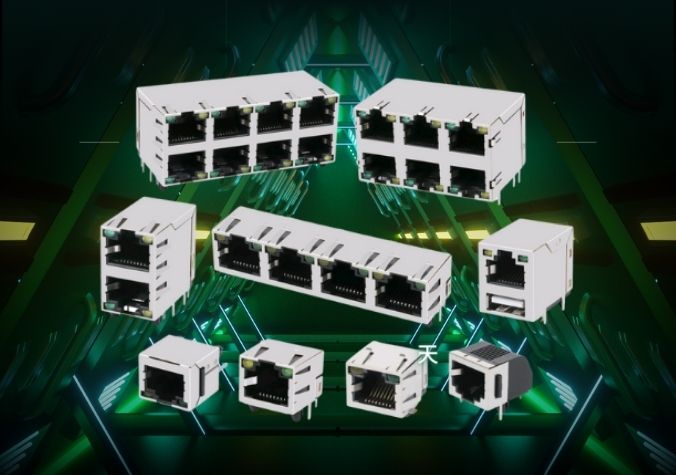
This guide maps the full landscape of RJ45 connector types, explains the key technical differences between each variant, and gives you a clear framework for selecting the right type for your specific application — whether that’s a compact IoT sensor, a high-density data center switch, or a ruggedized industrial controller.

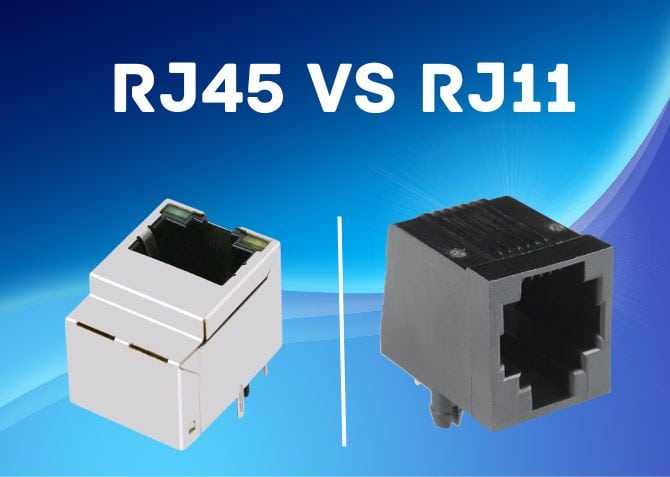
RJ45 vs RJ11 — learn the key differences in size, pin count, speed, and use cases. Complete comparison guide to help you identify and choose the right connector.

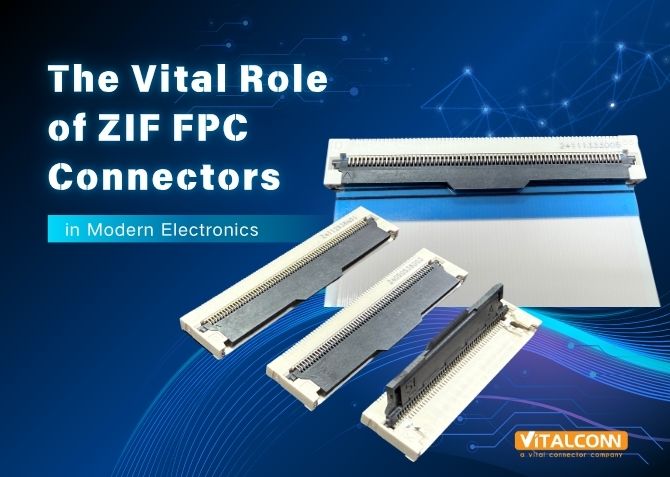
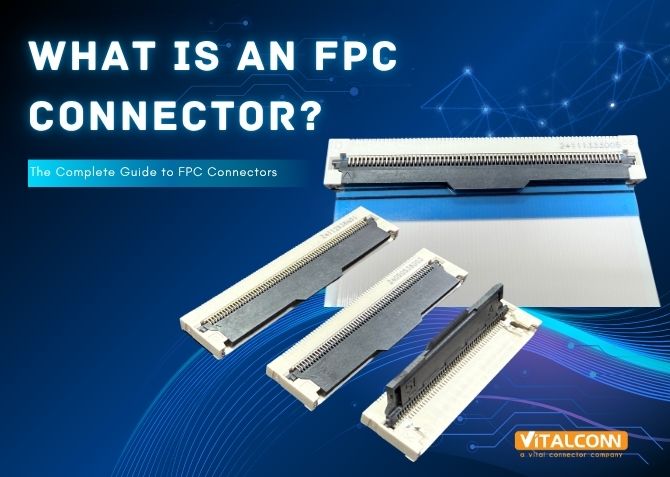
Open up a modern smartphone, a laptop, or the dashboard of a car, and you’ll find them everywhere — paper-thin ribbons of circuitry, gently folded into impossibly tight spaces, linking one PCB to another. Those flexible circuits terminate into a component that, despite being no bigger than a grain of rice in some cases, is absolutely critical to the device working at all: the FPC connector.

In the world of modern electronics, the trend toward miniaturization shows no signs of slowing down. From ultra-slim laptops to high-definition wearable devices, engineers are constantly challenged to pack more functionality into smaller spaces. At the heart of these high-density designs lies a critical component: the FPC (Flexible Printed Circuit) connector.

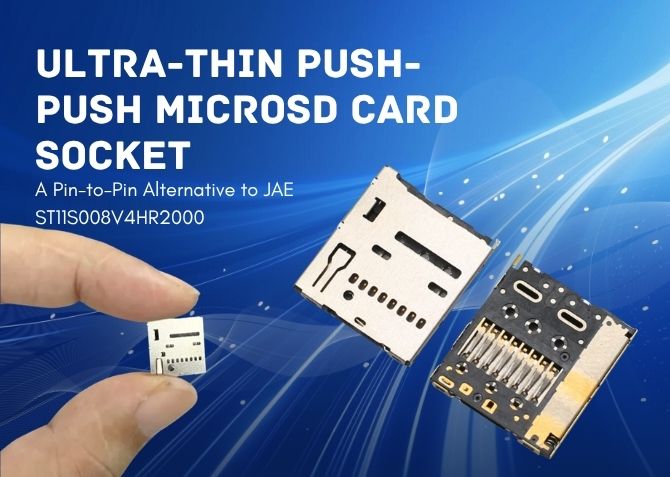
JAE ST11S008V4HR2000 Alternative:
A Complete Drop-In Replacement Guide
Facing long lead times or supply chain risk with JAE? The VITALCONN C102316832E1 is a certified pin-to-pin replacement — identical footprint, same NC switch, zero PCB changes required.

In the realm of high-definition audio-visual transmission, HDMI (High-Definition Multimedia Interface) has established itself as the de facto standard, powering everything from consumer electronics to industrial display systems. At the core of its reliability lies two critical components: the 19-pin configuration that enables versatile signal transmission and the precision PCB (Printed Circuit Board) layouts that preserve signal integrity. For engineers, hardware designers, and tech enthusiasts alike, understanding these foundational elements is key to building robust HDMI-enabled devices. Let’s dive deep into the 19-pin architecture and the PCB design principles that make seamless 4K, 8K, and high-refresh-rate transmission possible.

In the fast-paced world of electronic manufacturing, connectors serve as the unsung heroes—facilitating seamless signal and power transmission across devices, from consumer electronics to automotive

In the era of digital transformation, smart card connectors serve as the critical bridge between smart cards and electronic devices, enabling secure data transmission, reliable power supply, and seamless interaction. From SIM cards in mobile phones to payment terminals in banks, these small yet robust components underpin countless daily operations. This blog delves into the core technical specifications that define their performance and explores their wide-ranging industrial applications, shedding light on why they are indispensable in modern technology ecosystems.

In the fast-paced world of data centers and high-speed networking, every component plays a critical role in ensuring seamless data transmission. Among these, Small Form-factor

In the digital age, USB connectors are the unsung heroes that bridge our devices, enabling seamless data transfer and power delivery. What began as a solution to simplify a chaotic mess of proprietary ports has evolved into a dynamic ecosystem of designs, driven by the relentless pursuit of user convenience, device miniaturization, and performance enhancement. Let’s trace the fascinating journey of USB connectors—from the rigid standard designs of the past to the versatile reverse and offset innovations that define today’s tech landscape.

In the world of networking and data communication, the RJ45 connector is a ubiquitous workhorse. Found in everything from home routers and office switches to industrial control systems and data centers, this small but critical component is the backbone of Ethernet connectivity. While many of us take it for granted, the RJ45 has undergone significant innovations over the years to keep pace with evolving network demands—particularly in areas like electromagnetic interference (EMI) shielding and LED status indicators.